
Wind-Lifted Shingles on Nebraska Roofs
A boxed Dundee lot and an open Columbus west wall are not the same wind. Nebraska starters and ridge cap peel first. If someone is only talking about the field, they have not walked the eave.
Updated
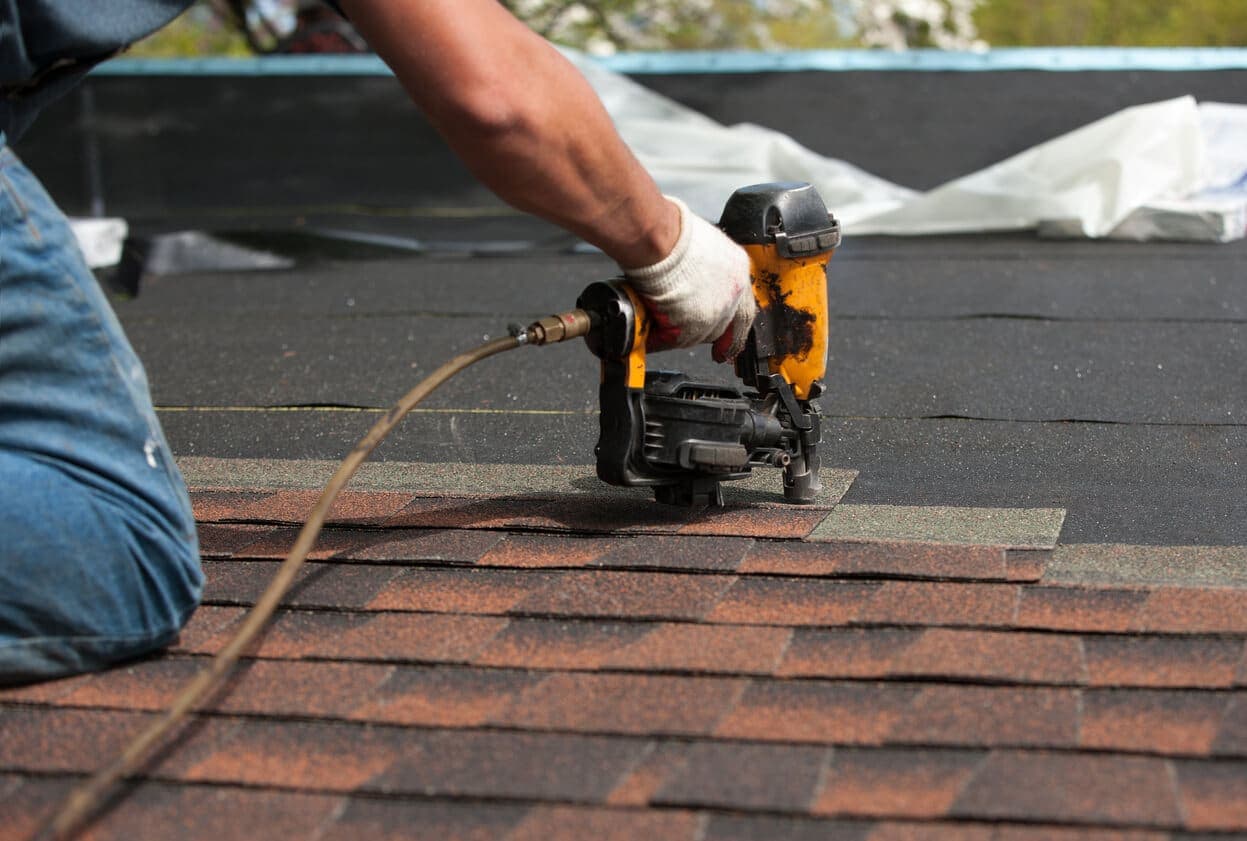
We write this page because the old city templates treated every town like a hail clone. Columbus sits on the Loup and Platte. Kearney and Grand Island sit on open lots. West Omaha HOA streets are more sheltered, but the west elevation of an Elkhorn two-story still lifts if the starter was nailed lazy.
What fails first
- Starter course at the eave and rake — the tab you can see from the driveway is often the third one that already cracked.
- Ridge cap — folded, not just scuffed. A nail-down on a creased cap is a delay.
- Hip and rake on two-stories — more fetch, more lift.
- Shop roofs in Columbus and Grand Island — fasteners and ridge vents, a different hunt than a house valley.
Repair versus replace
If the field is sound and the blend exists, we replace the failed edge and re-secure the course. If we have been back for the same eave twice, or the field is already two layers and bruised, replacement is the cheaper five-year conversation. That is written on the estimate, not implied.
After a named wind event, photograph the yard shingles before you throw them away. Carriers ask. The claim process is on Nebraska roof insurance claims.