
Siding Installation in Omaha, NE — By the Elevation
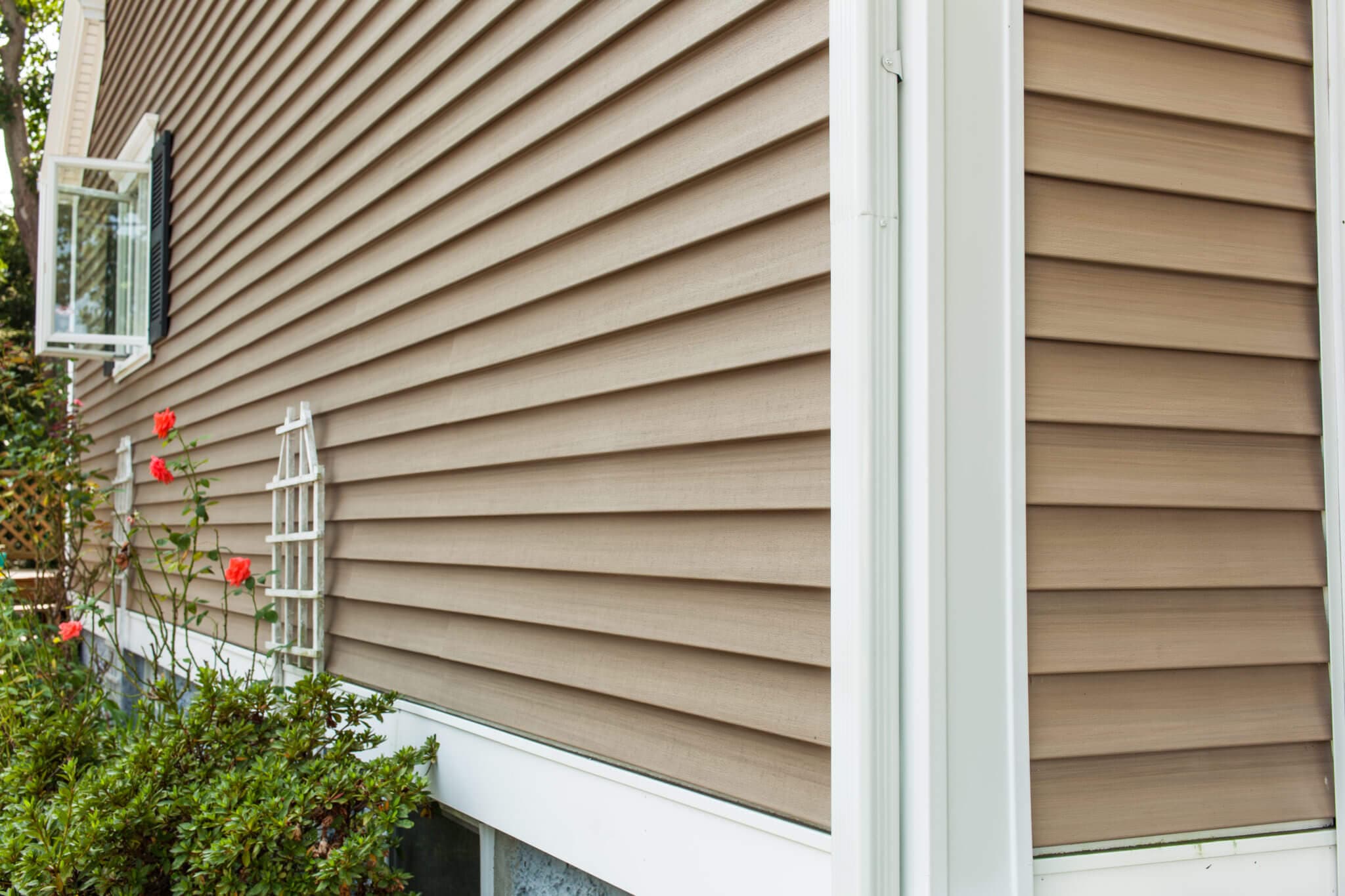
The hail that ruins a roof usually punches the west and south walls on its way through. We side whole elevations instead of swapping panels, because a new panel in a twenty-year-old wall never matches and the seam always shows. What goes on behind the siding — the wrap, the sill pans, the flashing — matters more than the color you pick out.
Get your FREE
Quote Today

Omaha Google: 5.0 from 7 reviews
Siding Installation
What Happens Behind the Panels
The Part Nobody Photographs
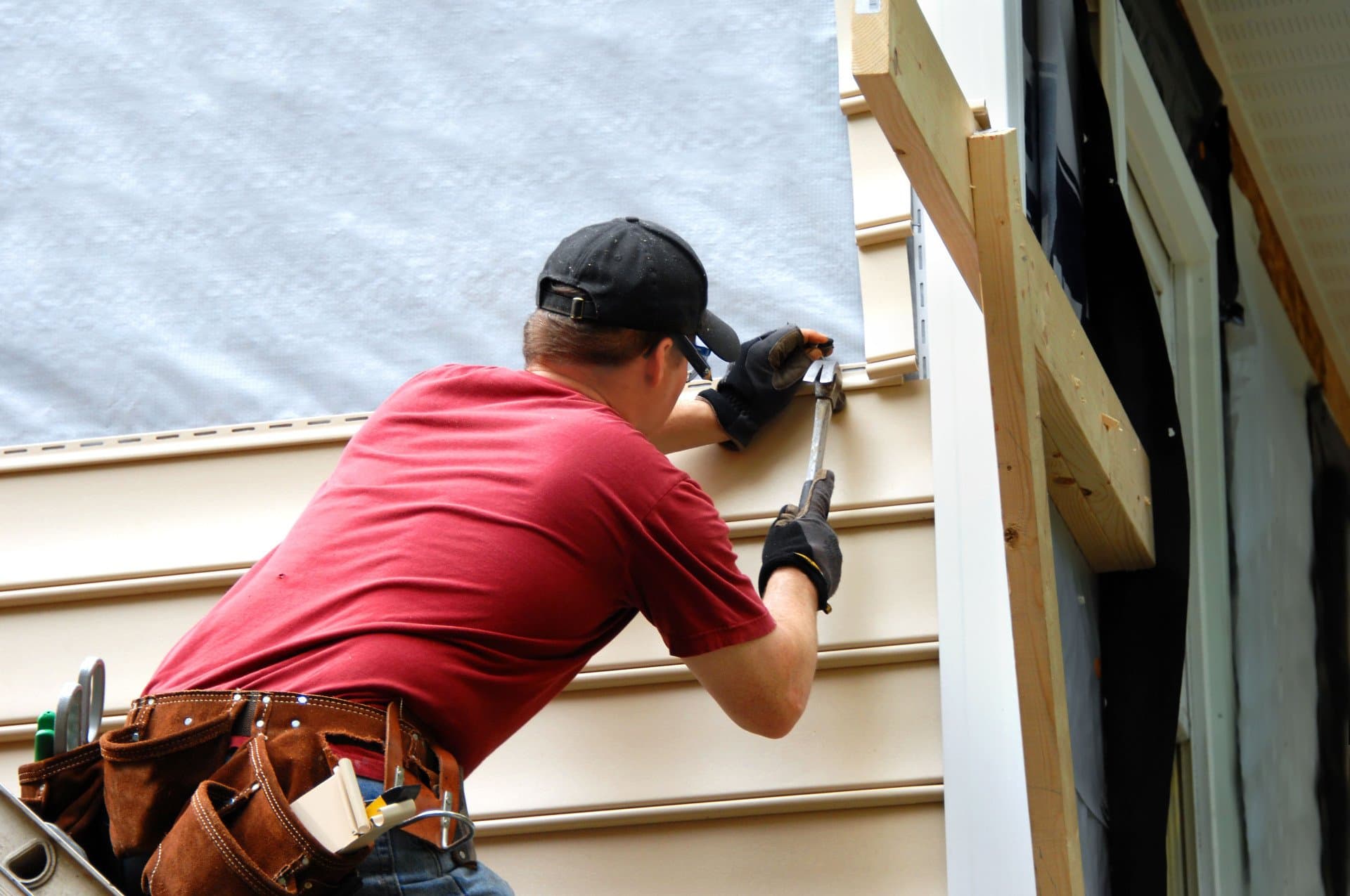
New Wrap and Window Flashing: Pulling siding is the only time anyone sees the weather barrier. On Nebraska homes from the 80s and 90s we routinely find felt torn away from the window heads. New wrap and sill pans go on before a single panel does.
Rotten Sheathing Found and Priced: Behind a leaking hose bib or a dead kitchen vent there is usually soft OSB. We photograph it, price the sheets, and replace them rather than screwing new siding to mush.
Trim and Corners That Hold: Cheap installs cut corners at window returns and around the meter. Those are exactly the spots Nebraska wind gets behind and starts unzipping a wall.
Insulation Where It Helps: Insulated vinyl adds a modest R-value and, more usefully, stiffens the panel so it looks flat instead of wavy on a long elevation.
Why Choose Kutsch for Siding
One Crew for the Roof and the Walls
Roof and Siding on One Claim: Most hail claims include both. Running them together means one deductible conversation, one dumpster, and no one blaming the other trade for the roof-to-wall flashing.
We Argue the Match Question: If your siding line is discontinued, a partial repair physically cannot match — and that fact often supports a full-elevation scope with the adjuster. We document the manufacturer stamp when we can find it.
Vinyl, Steel, or Fiber Cement: Insulated vinyl goes on most homes. Steel takes hail better and costs more. Fiber cement looks right on older houses and is the heaviest to hang. We will tell you which one your wall actually wants.
Clean Work Around Your Landscaping: Beds get covered, offcuts get collected as we go, and the last hour of the job is cleanup rather than an afterthought next week.
Got Questions?
Frequently Asked Questions
Curious about what to expect when working with Kutsch Roofing? Explore answers to common questions about our roofing process, materials, timelines, and more. We're here to make your experience smooth and stress-free.
Insulated vinyl is the value pick and what most homes here get. Steel resists hail better and costs more. Fiber cement is the most durable and best-looking on older architecture, but it is heavy and slower to install.
We can, and on a back elevation nobody sees it is often the right call. On a street-facing wall, one new elevation beside twenty-year-old panels usually looks worse than the damage did.
A full house is typically three to five days depending on square footage and how much trim the windows need. A single elevation is often one day.
On siding under about ten years old, usually close. Beyond that, sun fade and discontinued lines make an exact match unlikely, which is part of why full elevations are the common answer.
Yes, and we prefer it. The roof goes first so wall flashing ties into finished eaves, and you live with a job site once instead of twice.
Get In Touch With Us
Feel free to reach out to us anytime.
We're here to help!