
How Nebraskans are preparing their roofs for 2026 Winter Storms
Nebraskans preparing for 2026–27 winter storms are not stocking extra snow rakes because NOAA promised a blizzard. They are sealing attics and clearing eaves because a strong El Niño winter that leans milder and wetter is ice-dam weather — freeze, thaw, freeze — on Omaha ranches and Lincoln north walls.
By Kutsch Roofing Team · Updated
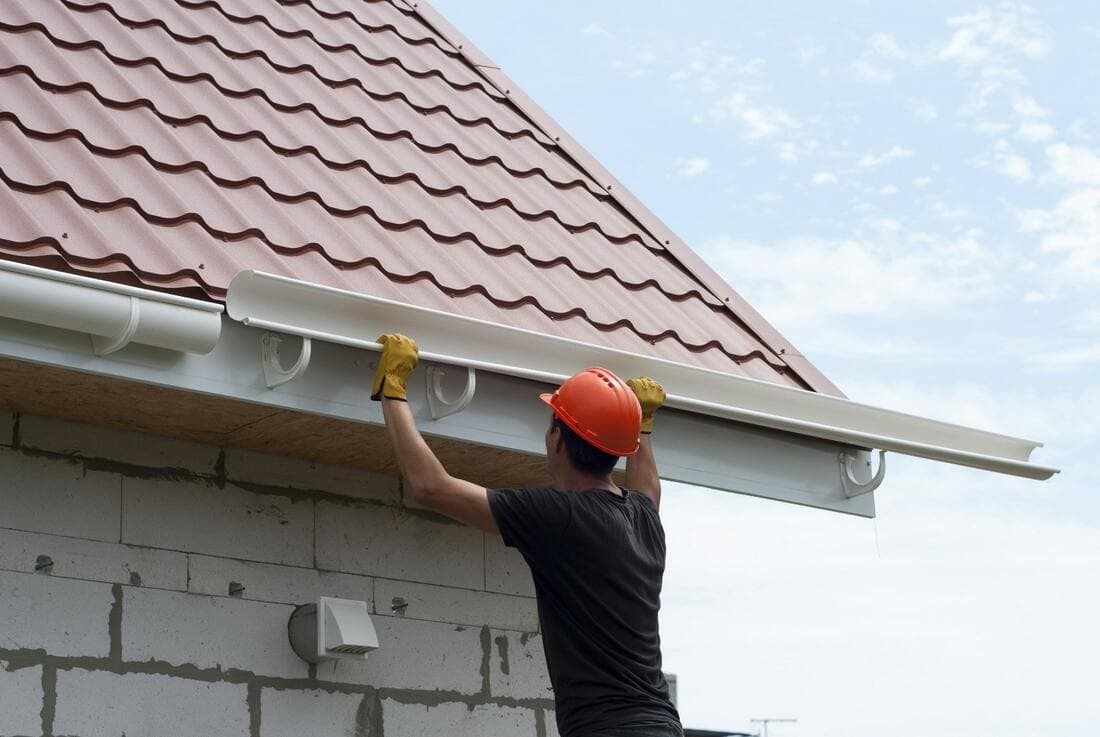
The unique fact of this winter is not “Nebraska gets cold.” It is a strong-to-very-strong El Niño stacked on a Climate Prediction Center outlook that leans warmer and wetter across Nebraska for December 2026–February 2027. NWS North Platte’s 2026–2027 briefing says precipitation in strong El Niño winters here often arrives as mix or rain, with seasonal snowfall tending below normal — and still warns that short-duration storms do the damage. That combination is how ice dams grow on a Millard eave in a winter people called “mild.”
What the 2026–27 outlook actually says (not a snow total)
NOAA’s Climate Prediction Center winter outlook (issued mid-October 2026, next update around 19 November 2026) is a set of chances, not a promise of any one blizzard. For DJF 2026–27 it leans above-normal temperature across all or nearly all of Nebraska at roughly a 33–50% chance, and above-normal precipitation across all or nearly all of the state at roughly a 33–50% chance. Equal chances still exist. CPC does not forecast your street.
- NWS North Platte: El Niño continues to strengthen; strong-to-very-strong likely through January–March 2027. Wetter events favored for southwest and central Nebraska, usually as mix or liquid. Warm spells more likely; extreme arctic outbreaks less likely, not impossible.
- Nebraska State Climate Office: chance El Niño continues through February 2027 is extremely high. Winter leans warm. Southern Nebraska leans wetter; farther north, precipitation is less locked. Past strong El Niños (1982–83, 1997–98, 2015–16) are context, not a copy-paste of 2026–27.
- A wetter, milder seasonal average can still hide an ice storm. The outlook is not a reason to skip the eave.
Why a “milder, wetter” winter is the ice-dam year
NPPD’s EnergyWise icicle brief is the mechanism: attic heat melts snow on the field while the eave stays below freezing. Melt runs to the gutter, refreezes, and the ridge of ice backs water under the first courses. Icicles are the warning, not the charm. Heat cables and roof rakes treat the symptom. The long-term fix is air sealing plus attic insulation to about R-49 (NPPD cites U.S. DOE for Nebraska — roughly 15 inches of fiberglass batt at about R-3.25 per inch) and moving leftover heat out with real ventilation.
Nebraska DOI’s winter alert says the same thing in insurance language: ice dams cause interior damage after the storm, when melt refreezes from a warm attic. DOI’s prep list is gutters cleared, trees pruned, attic insulated and ventilated so warm air stays in the house and out of the attic. That is why a 2026–27 El Niño winter that “doesn’t look snowy” still soaks a dining-room ceiling in February.
| Prep | Why this winter | Kutsch / your next step |
|---|---|---|
| Clear gutters and downspouts | DOI: melt has to leave or it becomes the ice dam. Oak leaves in a Millard trough are a dam before the first freeze. | Gutter work with the eave, not as an afterthought. |
| Look at the attic, not just the shingles | NPPD: bathroom and dryer exhaust dumped into the attic is the worst leak. Recessed lights, plumbing stacks, chimneys. | We say so on the inspection. Read ice dams and ventilation. |
| Ice-and-water at eaves and valleys | Membrane is the last defense when melt still reaches the eave. It does not replace R-49. | Named on the estimate. See ice-and-water shield. |
| Photograph and dry-in, don’t demo | DOI after-the-storm: tarp to stop further damage; don’t throw wet materials until the adjuster sees them. | Emergency leak — same-day dry-in in Omaha when a crew can get there. |
| Do not sign away the claim on the driveway | DOI post-loss assignment alert: the contractor can own the claim, including a suit in your name. | We walk with the adjuster. You keep the policy. Hail & insurance. |
Omaha, Lincoln, and the I-80 towns are not the same week
West Omaha and Elkhorn tight attics grow ice dams on north eaves even in a “warm” El Niño spell. Lincoln’s north walls see the same freeze-thaw. Columbus, Grand Island, and Kearney are scheduled runs from the Stromsburg office — not a 24/7 trailer. If a band of freezing rain is on the NWS forecast, call 402-764-6666 before the ice is on the valley, not after the drywall bulges. We will give you the next date we can actually keep.
What not to do on a ladder in January
- Do not chip ice dams off with a roof rake from a frozen driveway. DOI wants a safe ladder for gutter debris in the fall. January ice is how people fall.
- Do not salt the shingles. It tears granules and still leaves the attic heat.
- Do not assume a mild outlook means you can skip the bath-fan duct. NPPD calls unducted bathroom and dryer exhaust the worst attic dump.
- Do not wait for a “historic blizzard” headline. This winter’s risk is repeat mix events and warm spells, not a single snow total.
If the honest job is a tear-off before another freeze-thaw cycle, the dollars start on the cost guide and the 2027 forecast. If you are shopping who to hire before the first ice storm, use the 2027 company scorecard.
Sources
- NOAA CPC — long-range U.S. outlook discussion (fxus05)
- NWS North Platte — 2026–2027 winter outlook (western and north-central Nebraska)
- Nebraska State Climate Office — What does the 2026 El Niño mean for Nebraska?
- NPPD EnergyWise — icicles and ice dams (R-49 attic)
- Nebraska DOI — Protecting Your Home From Damaging Winter Weather