How to Install a New Roof
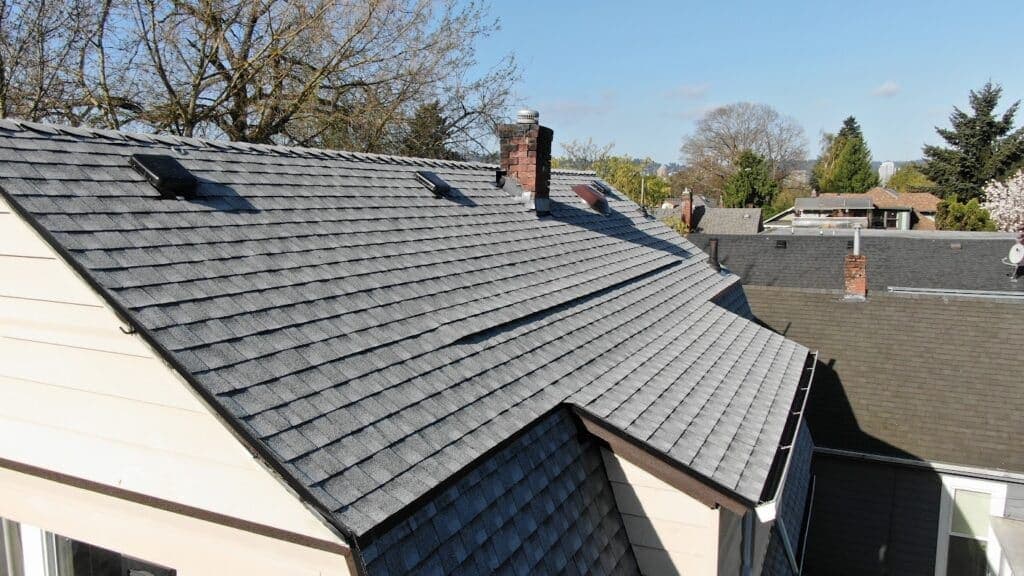
The first step in learning how to install a new roof is accepting that the roof is not just shingles. Decking, edge metal, underlayment, flashing, attic air, and the surface covering all have to move water off the house.
Most homeowners should hire a contractor. Falls, hidden deck damage, wrong flashing, and code requirements turn a DIY install into a leak. Before anyone orders material, Kutsch Roofing can walk the existing roof and write the real scope.
Before you begin: repair or replace?
A leak does not automatically mean a full reroof. A damaged vent boot, loose flashing, or one storm-hit area can be a repair. Repeated leaks, widespread granule loss, storm bruising, or a roof that has simply worn out usually mean replacement.
Find the source of the water, not just the stain inside the house.
Safety, permits, and planning
A complete install means working at height, lifting bundles, hauling waste, and covering an open deck. Steep, tall, or complicated roofs with dormers and valleys need fall protection and a plan. In Omaha, work at or over two squares needs a city permit — see Omaha roof permits.
Before work starts, confirm permit requirements, manufacturer instructions, wind ratings, and who handles disposal and inspections. Those rules change by city and climate zone.
How to install a new roof system properly
- Protect the property and remove old materials. Cover cars, furniture, and landscaping. Tear off old shingles and underlayment where the scope requires it. Pull or flatten protruding nails.
- Inspect the roof deck. Look for moisture, softness, loose panels, and structural issues. Repair broken or degraded sheathing before you cover it.
- Install edge protection and underlayment. Drip edge sends runoff off the fascia. Underlayment is the second weather barrier. Ice-and-water belongs at eaves and valleys in this climate — see ice-and-water shield.
- Address valleys, walls, vents, and chimneys. Flashing has to layer so water sheds over the piece below it. This step decides whether the roof stays dry.
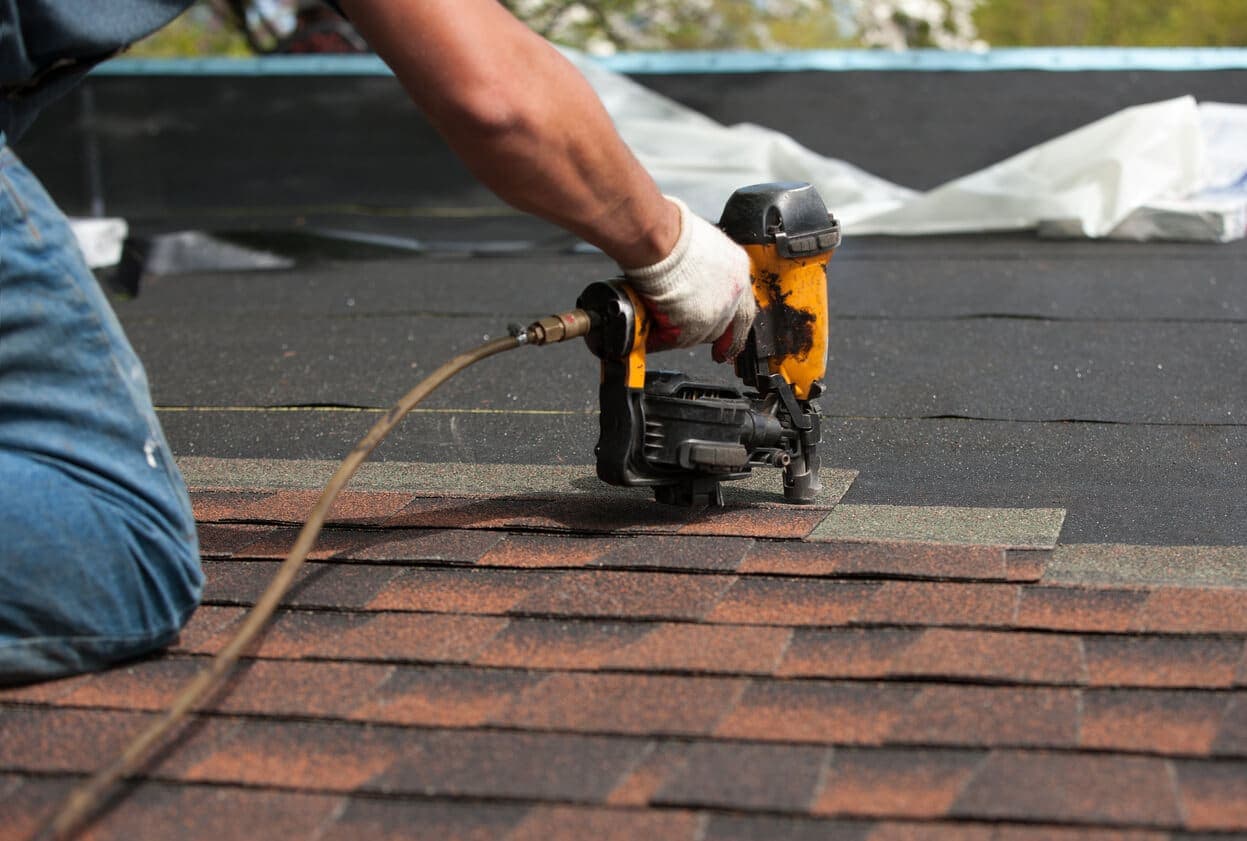
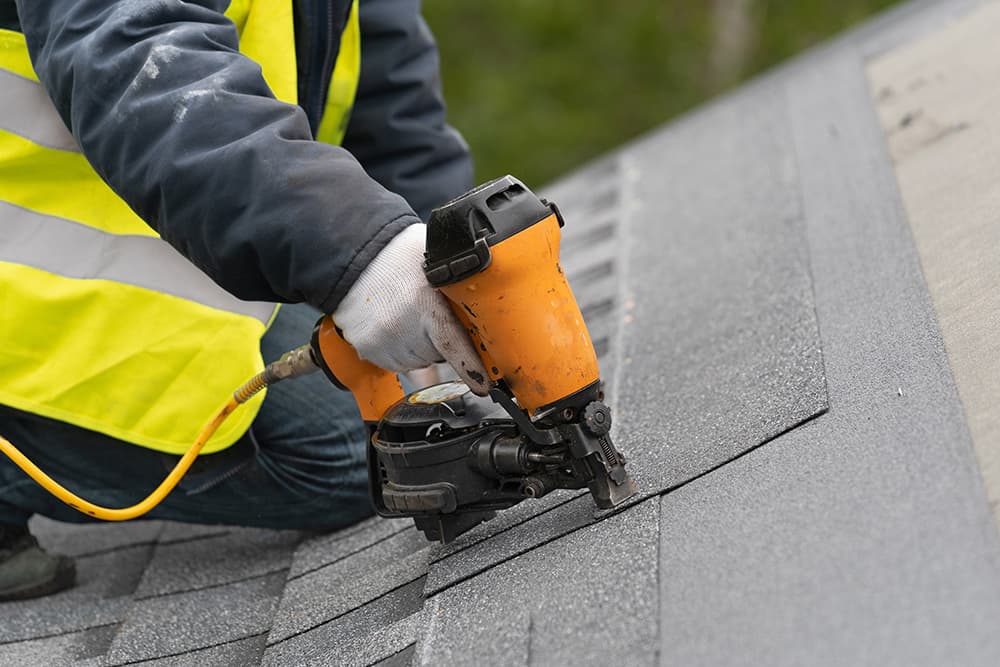
- Apply starter courses and field shingles. Work from the eaves up. Stagger joints, keep exposure consistent, and nail exactly where the manufacturer says. Wrong nail placement cuts wind resistance and makes leaks.
- Finish ridges, ventilation, and cleanup. Ridge caps, vents, required sealant, a magnetic sweep, and a final inspection. A finished install should not leave visible fasteners, open penetrations, or a yard full of nails.
Mistakes to avoid
- Choosing a contractor on the lowest total quote alone
- Assuming every estimate includes the same flashing, underlayment, and deck repairs
- Covering compromised decking with new material
- Skipping local permits or required inspections
- Treating attic ventilation as unrelated to the roof — see attic moisture
- Assuming overlaying a new roof over the old one is always acceptable
- Using generic nailing or overlap rules instead of the selected manufacturer’s instructions
The bottom line
Knowing how to install a new roof helps you recognize quality: sound decking, water-shedding layers, flashing done in order, manufacturer fastening, ventilation, and a final check. A new roof is a system, not a new shingle color. When repairs are no longer cost-effective, schedule an installation consult and compare written scopes. Roof replacement planning should separate materials, warranties, local requirements, and the condition of the deck — not lump them into one mystery number.
Quick answers
Is installing a new roof a DIY job?
Usually no. Height, hidden deck damage, flashing, and permits are how weekend installs become leaks. Hire a contractor for a full system.
Do I have to tear off the old roof?
On replacements we tear off. Overlaying a second or third layer cooks the attic and can void a shingle warranty.
What should a new-roof estimate include?
Tear-off, deck repairs, underlayment, ice-and-water, flashing, ventilation, disposal, permit, and the shingle line — named, not “premium.”
Want someone to actually look at it?
Free inspection, photos of whatever we find, and a written recommendation — including “this roof is fine, call us in five years.”